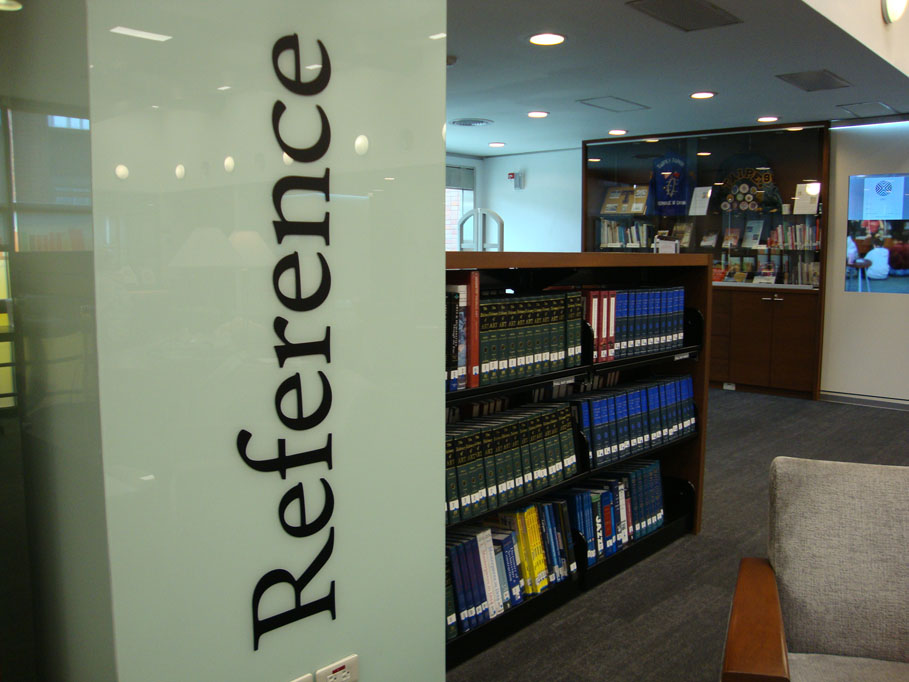
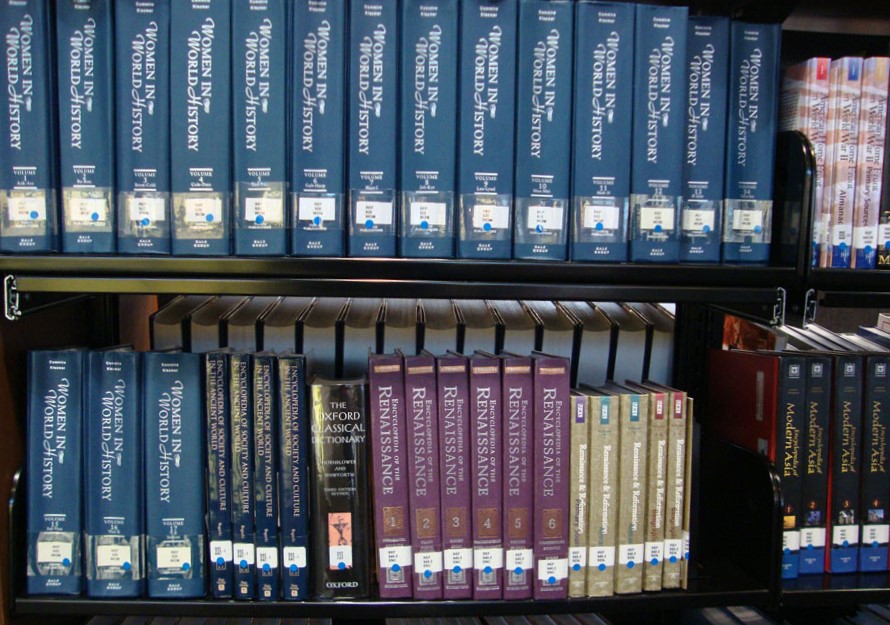
The organization of a reference book or set of books is almost always described in detail at the beginning of the resource. Here are three common arrangements for reference sources:
A-Z Order
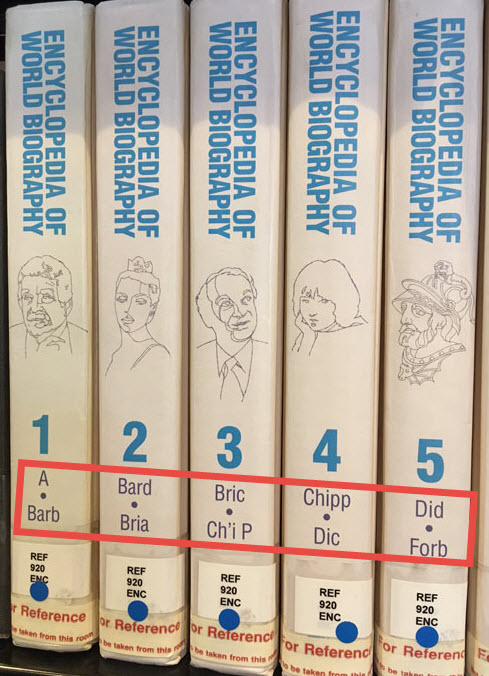
Reference books are commonly organized in alphabetical (A-Z) order. This is true even when there are multiple volumes in a set such as a set of encyclopedias. You can see what alphbetical ranges are covered in individual volumes of a multi-volume set by looking on the spine of the book.
Note: If looking for a person, use their last name to locate them in an A-Z encyclopedia.
e.g.: Encyclopedia of World Biography
Theme, Time Periods, etc.
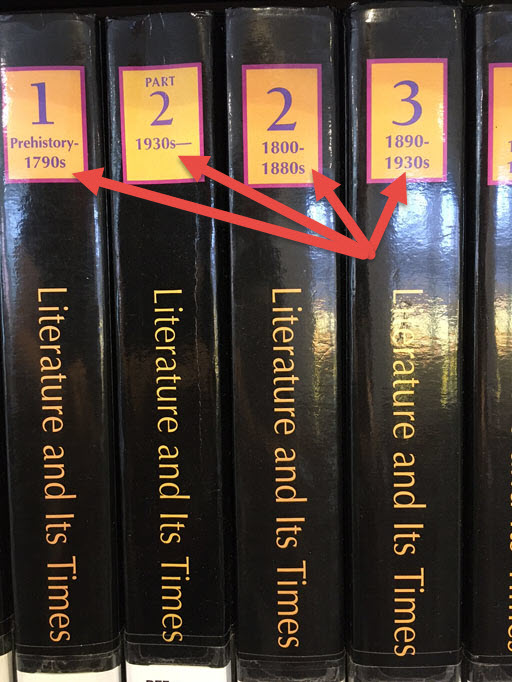
Sometimes reference books are organized by theme, time period, etc.
Dates or Historical Periods:
e.g.: Literature and Its Times
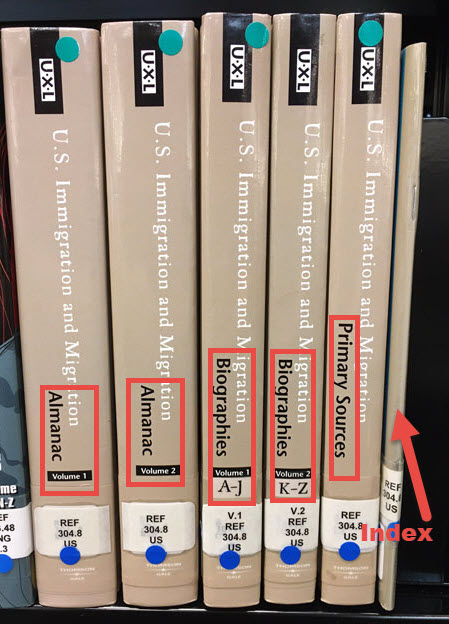
Themes / Information Type (Almanac, Biography, Primary Source.
The Index provides the volume name, volume number, and page number.
Index(es)
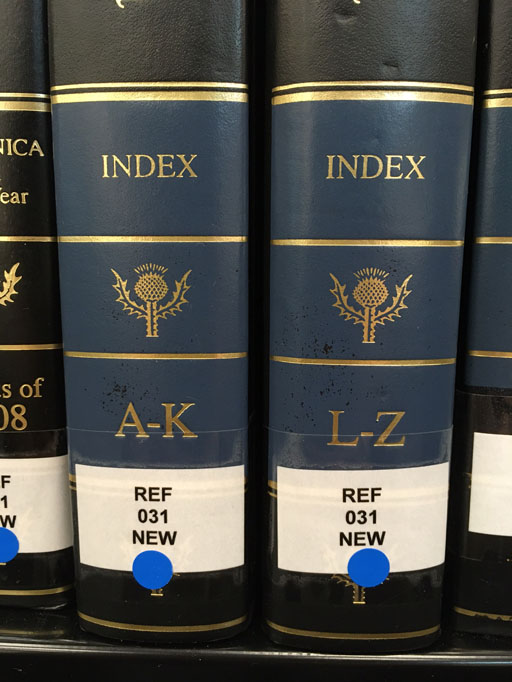
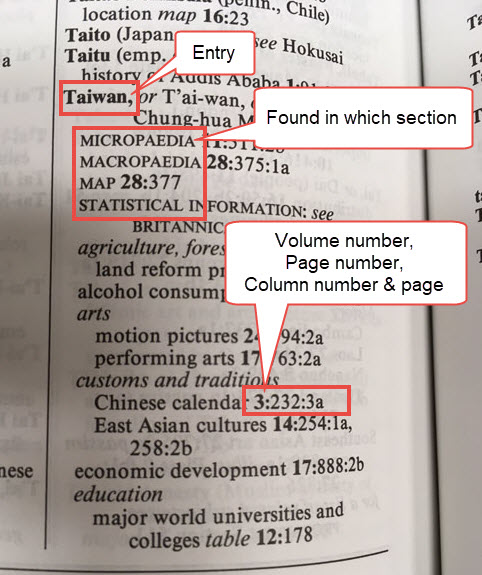
Some reference sources have one or more indexes at the end of the book or last volume. If the reference source has multiple volumes, an index entry will tell you the volume, page, and maybe the location on the page.
e.g.: A Britannica entry looks something like "5-233-2b." This directs you to volume 5, page 233, column 2 on the page, lower half of the page (A top, B bottom).
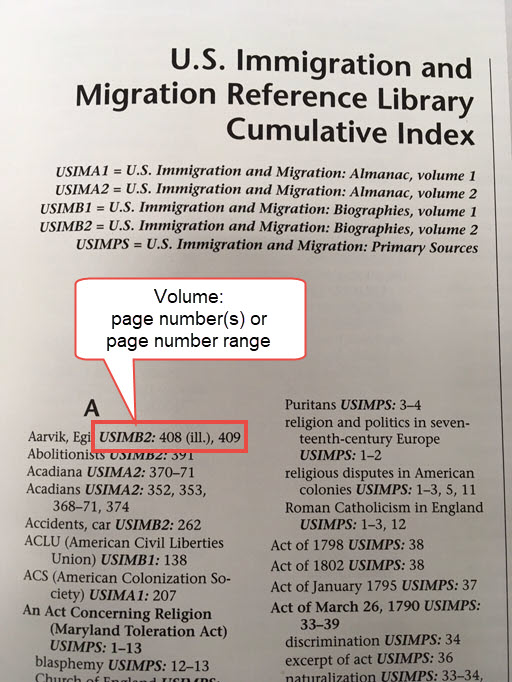
e.g.: The U.S. Immigration and Migration encyclopedia index tells you which volume to use and page numbers.

 Reference books are tertiary sources. From: Source Reference